


Regulation of the Power Sector

All you need to know about the power sector and power systems around the world
Power system regulation is never at a rest, and this is particularly true for the power systems of today. In a world that is hungry for a reliable supply of electricity, regulation and reform of the power sector become the drivers for economic development. Several countries across the world have implemented energy sector reforms to improve their economic performances.
This online course will highlight the connection between strategic governance of the power sector and economic growth. It will also provide the participants with the fundamentals for working in power sector regulation, whether in a regulatory commission, in a regulatory department within a company, or as a policymaker.
Led by world-class experts, the course will give you a comprehensive understanding of the main concepts and ideas behind sector regulation from an engineering, economic and regulatory perspective.
Participants will have exclusive access to the ebook version of ‘Regulation of the Power Sector’, edited by Ignacio Pérez-Arriaga for the duration of the course.
Welcome live class: 1 April 2026, 2 – 3 pm CET
BLOCK I: THEORY AND PRINCIPLES OF REGULATION
Week 1: Regulatory models for energy systems
- Energy services pricing: from regulated costs to price competition: Cost-of-service regulation. Incentive regulation. Competitive bidding. Market competition
- Energy systems’ governance: activities, structure, and stakeholders’ roles: Unbundling. System and market operation
Live class 1 with Carlos Batlle (FSR): 9 April 2026, 2 – 3 pm CET
Week 2: Fundamentals of energy systems economics
- Centralized versus market-based planning: Costs’ characterization: investment, average and marginal costs. Cost minimization versus profit maximization
- Basics on energy contracts: Physical versus financial contracts
Live Class 2 with Pablo Rodilla (Comillas Pontifical University): 16 April 2026, 2 – 3 pm CEST
Week 3: Cost allocation methodologies
- Practical case example of cost allocation: Discussion of a real life (non-energy related) case example of cost allocation
- Cost allocation theory: Efficiency and equity. Long-run marginal costs. Residual costs
Live Class 3 with Carlos Batlle (FSR): 23 April 2026, 2 – 3 pm CEST
BLOCK II: REGULATION OF ENERGY SUPPLY ACTIVITIES
Week 4: Pricing electricity generation
- Investment and operation planning: From central planning and operation to wholesale markets
- Energy markets design elements: Market-based economic scheduling: Market models, bidding formats and clearing algorithms
Live Class 4 with Carlos Batlle (FSR): 30 April 2026, 2 – 3 pm CEST
Week 5: Complements to energy markets: ancillary services and capacity mechanisms
- Flexibility markets: Intraday, reserves and regulation markets.
- Capacity and RES-support mechanisms
- Design elements of capacity and RES promotion mechanisms
Live Class 5 with Pablo Rodilla (Comillas Pontifical University): 7 May 2026, 2 – 3 pm CEST
Week 6: Leading Expert Webinar on current regulatory challenges for the wholesale electricity market
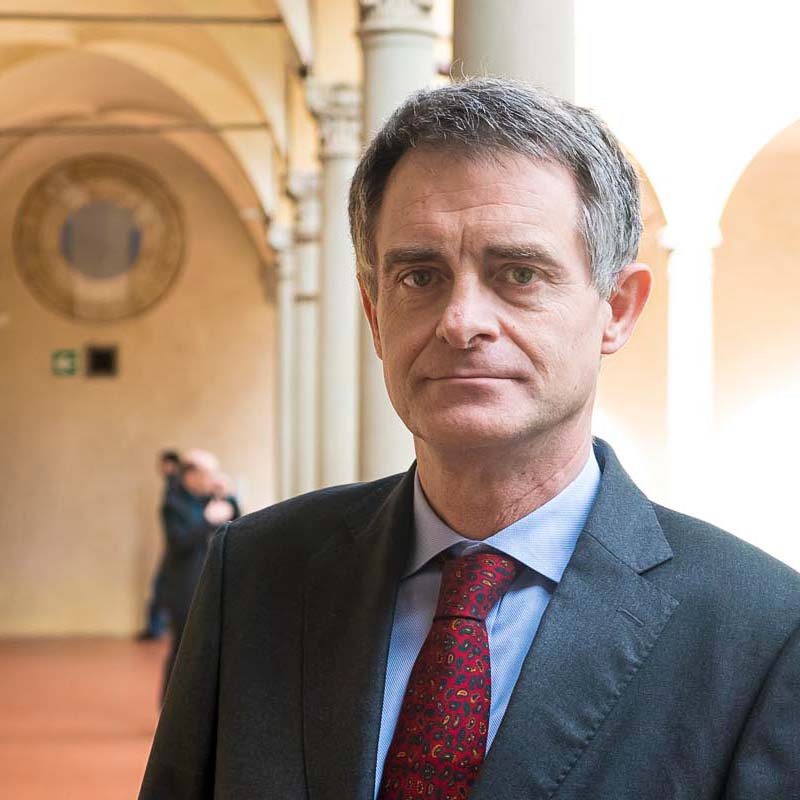
Leading Expert Webinar with Alberto Pototschnig (FSR): 14 May 2026, 2 – 3 pm CEST
BLOCK III: ELECTRICITY NETWORKS
Week 7: Interplay between transmission and generation
- Locational pricing: Fundamentals of nodal (and zonal) pricing.
- Regulatory treatment of transmission investment planning: Golden rules, net-social welfare maximization
Live Class 7 with Pablo Rodilla (Comillas Pontifical University): 21 May 2026, 2 – 3 pm CEST
Week 8: Regulated revenues and cost allocation
- Remuneration mechanisms for distribution: Cost-of-service, RPI-X, TOTEX
- Network costs allocation: Transmission and distribution tariffs
Live Class 8 with Carlos Batlle (FSR): 29 May 2026, 2 – 3 pm CEST
Week 9: Leading Expert Webinar on EU Electricity Network Codes
Leading Expert Webinar with Ellen Beckstedde (FSR): 4 June 2026, 2 – 3 pm CEST
BLOCK IV: END-USER ENERGY PRICING
Week 10: End-user tariffs
- Principles and basic tariff structures: Efficiency & equity. Additivity, components.
- Time and locational granularity: Dynamic, TOU, fixed.
Live Class 10 with Carlos Batlle (FSR): 11 June 2026, 2 – 3 pm CEST
Week 11: Retail markets
- Business models: Retail activities, stakeholders’ roles.
- Consumer protection: Data management, switching, vulnerable customers
Live Class 11 with Carlos Batlle (FSR): 18 June 2026, 2 – 3 pm CEST
Week 12: Leading Expert Webinar on Energy Communities
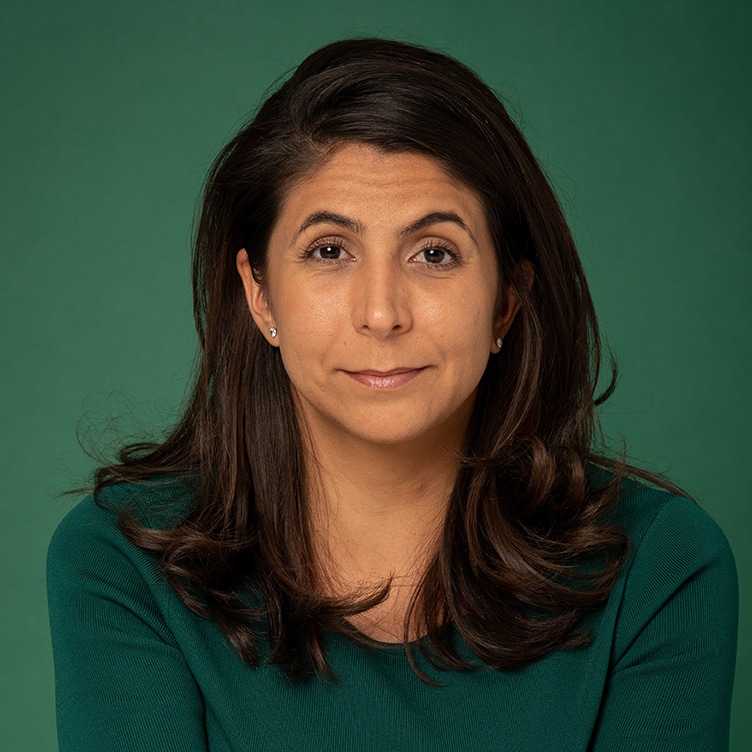
Leading Expert Webinar with Lucila De Almeida (FSR): 25 June 2026, 2 – 3 pm CEST
BLOCK V: REGULATORY AUTHORITIES AND FINAL SESSION
Week 13: Regulatory Authorities
- Case study on regulatory authorities
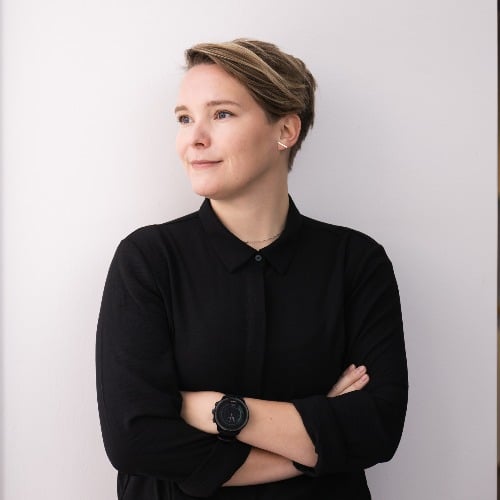
Live Class 13 with Kaisa Huhta (FSR): 2 July 2026, 2 – 3 pm CEST
Weeks 14-15: Final papers
Final Live class with Carlos Batlle (FSR): 16 July 2026, 2 – 3 pm CEST
The course is given in English and developed for:
- Representatives from National Regulatory Authorities
- Professionals from the regulatory departments of energy companies such as Transmission System Operators and Distribution companies for electricity or gas, power generators or gas suppliers
No formal background on energy regulation is required.
We designed this training to give you a solid grasp of the fundamentals, and start your journey towards becoming an energy regulation expert.
In this course you will learn:
- Fundamentals of energy system economics, introduction to different regulatory models and the restructuring process of the power sector
- Approaches to the regulation of transmission and distribution networks as natural monopolies and principles for the allocation of regulated costs
- Market design of competitive electricity wholesale markets and its complements, being ancillary services and possibly capacity mechanisms
- Regulatory and technological challenges for the widespread inception of retail markets
- The interaction between regulated activities and competitive activities in the power sector
At the end of the course, the participants can earn a Certificate of Attendance, a Certificate of Completion or a Certificate of Excellence, depending on their performance and engagement throughout the course.
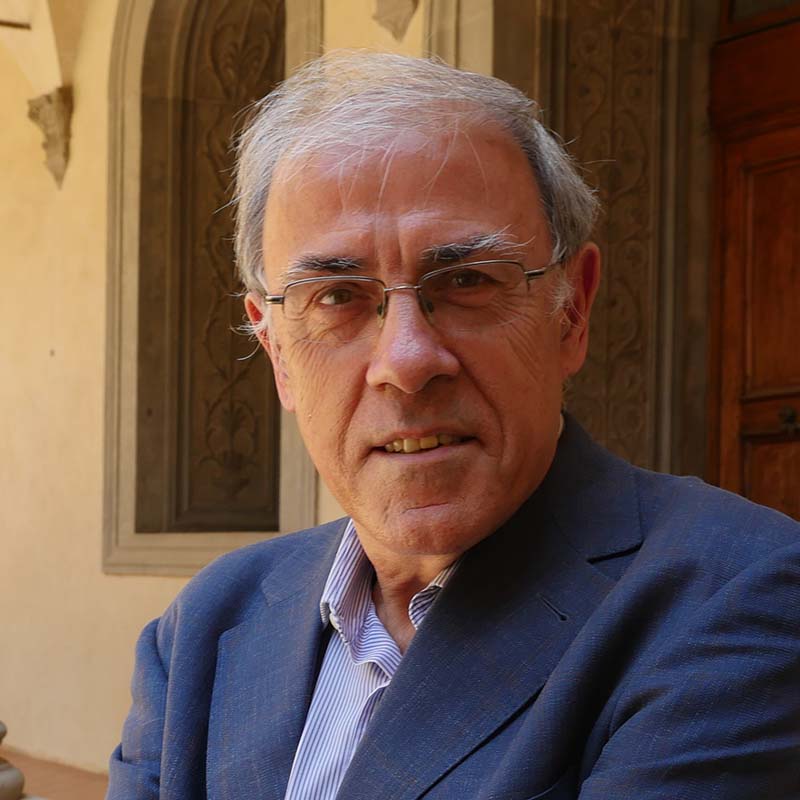
The training is led by Prof Carlos Batlle, who has been teaching the course “Engineering, Economics and Regulation of the Electric Power Sector” at MIT for the last ten years. Carlos will be supported by a group of leading experts in the field, who will channel their rich knowledge into interactive lectures, and live webinars.
Each year, the Florence School of Regulation – Energy and Climate (FSR Energy & Climate) awards scholarships for a wide variety of training courses targeting a broad audience of professionals and academics.
Applications will be assessed by a Selection Committee of FSR members on a yearly basis. The successful candidates will be informed after February 2026 and will be provided with all relevant information on how to enroll in the online course or residential training of their choice.
Send your application by 25 January 2026.
- General fee: 1430€
- Students (with a certificate of current studies**): 440€
- Four free seats for Star Donors
- Two free seats for Major Donors
- One free seat for Associate Donors
Discounts
A 10% discount is available for groups of five or more paying participants from the same organisation. Please note that this discount cannot be combined with student discounts, and free seats are not included in the group count.
Contact: fsr.secretariat@eui.eu
Cancellation policy
Paid registration fee is non-refundable. However, registrant substitution may be made up to 20 days before the start date of the course.
For more information, please read the full FSR cancellation policy.
**Please kindly send your certificate of current studies with the stamp of your university to FSR secretariat (fsr.secretariat@eui.eu).
The start and end dates of your studies should also be clearly mentioned on the document. Please make sure that your period of studies fully covers the training course duration.